
Your Definitive Guide to the Casino Lobby

I think back to the very first time I stepped into a digital casino lobby and felt completely overpowered by the vast number of thumbnails, banners, and glowing jackpot tickers https://kyngsscasino.ca/. That first bewilderment is precisely why I wrote this guide. A properly designed lobby is more than a menu; it is a control hub that decides how quickly you locate a game you love, how easily you understand a promotion, and how securely you control your money. I will walk you through the true inner workings behind the layout, the game classifications that matter, the bonus systems you should analyze, and the banking setup that keeps your funds moving. By the end, you will navigate any lobby with the assurance of a veteran player who knows exactly where to click and why.
The Design of a Modern Casino Lobby
When I analyze a lobby, I look at its information architecture prior to looking at a single game tile. The best lobbies utilize a left-aligned main navigation rail that contains core sections like Casino, Live Casino, Jackpots, and Promotions, while a top horizontal bar takes care of utility functions such as search, deposits, and account settings. This layout is not accidental; it adheres to the F-pattern reading behavior that eye-tracking studies have recorded for years. I also focus on how the lobby handles game categorization. A sophisticated system will present filtering by provider, volatility, feature type such as Megaways or Hold and Win, and even theme, rather than making you to scroll through an undifferentiated grid of 3,000 slots. The loading speed of these thumbnails is also important, because a lobby that lazy-loads assets efficiently will appear snappy on a mobile connection, while one that tries to render everything at once becomes a annoying crawl.
Mobile Responsiveness and the Native App Experience
I assess a casino lobby on a mobile browser before thinking about downloading a dedicated app. A properly optimized progressive web app should adjust game tiles into a two-column grid, compress the main navigation into a thumb-friendly bottom bar, and keep full functionality of the search and filter tools. The touch targets for game thumbnails must be at least 48 CSS pixels square to avoid mis-taps that launch the wrong slot. I also examine how the lobby handles orientation changes; switching from portrait to landscape should reflow the layout without cutting off the deposit button or the promotions carousel. If the brand offers a native iOS or Android application, I search for biometric login support, push notification controls that let me choose specific game launch alerts rather than generic spam, and offline balance viewing. main points The app should not be a wrapped web view that performs worse than the mobile site.
Understanding the Game Categories That Actually Matter
Most halls showcase a familiar triad: Slots, Table Games, and Live Casino. I find that the real depth resides in the sub-categories. Within slots, I look for a obvious separation between classic three-reel machines, modern video slots with complex math models, and progressive jackpot networks where prizes pool across multiple titles. The table games section should differentiate digital RNG blackjack and roulette from their live dealer counterparts, because the gameplay rhythm and betting limits contrast significantly. I also search for specialty games like crash games, virtual sports, or instant-win scratch cards, which often get tucked in a generic “Other” tab. A lobby that values my time will let me narrow down by return-to-player percentage ranges or minimum bet sizes. For example, if I prefer low-volatility slots with an RTP above 96% and a minimum spin of $0.10, I should be able to locate them in three clicks, not thirty minutes of scrolling.
Security Credentials and Safe Gaming Measures
Before making a deposit a single dollar, I check the footer of the lobby and verify the licensing jurisdiction. For a brand targeting Canadian players, I look for a seal from a recognized regulator such as the Alcohol and Gaming Commission of Ontario if operating provincially, or an international license from the Malta Gaming Authority or Kahnawake Gaming Commission. I tap the seal to confirm it links to a live, verifiable certificate. Beyond licensing, I review the responsible gambling toolkit integrated into the account settings. A robust lobby enables me to set deposit limits on a daily, weekly, and monthly cadence, enforce session time reminders, and activate a cooling-off period without needing to contact customer support. I also search for the presence of reality check pop-ups that interrupt gameplay at configurable intervals to show my session duration and net position, because these automated nudges are far more effective than a static link to a problem gambling resource page.
The Live Casino Lobby: An Arena Inside an Arena
As I step into a live dealer section, I look for a completely distinct atmosphere from the main slot floor. The lobby should display real-time dealer availability, table limits, and the seat availability for games like live blackjack or live baccarat. I pay close attention on the studio providers powering the experience. Evolution Gaming and Pragmatic Play Live dominate the market, and their tables vary in rule sets, camera angles, and side-bet options. A robust live lobby offers multiple variants of roulette, like speed roulette where rounds conclude in under 30 seconds, and immersive roulette with slow-motion ball drops. I also search for game show titles like Crazy Time or Monopoly Live, that mix RNG multipliers with live hosts. The broadcast quality indicator is crucial; I expect to see an HD toggle and a low-latency stream that does not stutter during peak evening hours when server load is highest.
Payment Systems and the Practicality of Processing Times
I examine the cashier section of a lobby with a list of criteria, not expectation. The deposit interface should accept Interac e-Transfer, which serves as the backbone of Canadian online casino banking due to its security and real-time settlement at most major banks. I also expect to see credit and debit card options, prepaid vouchers like Paysafecard, and a variety of e-wallets such as MuchBetter or ecoPayz. The key detail I demand is not the deposit speed, which is nearly always instant, but the withdrawal processing timeline. A honest lobby will publish a table showing internal pending periods, usually 24 to 48 hours, followed by the transfer speed of each method. Interac withdrawals often land within one to three business days once approved, while bank transfers can stretch to five. I also confirm whether the operator charges any processing fees, because a few dollars per withdrawal adds up over a year of regular play.
VIP Program Structures and the Real Value of a VIP Program
I judge a VIP system by calculating the actual cashback percentage, not by counting the number of tiers. A transparent program will reveal its points earning structure clearly, such as getting one loyalty point for every $10 staked on slots, with a greater requirement for card games. I then translate those rewards to their real or promotional credit amount. A rate of 0.1% to 0.2% actual rebate is standard at the basic ranks, while highest ranks might reach 0.5% plus additional perks. I focus more to the non-cash benefits that genuinely improve my experience: faster withdrawal processing, higher deposit limits, dedicated account managers who respond within minutes, and offers to physical gatherings. The finest casinos incorporate the rewards interface directly into the primary platform, indicating my progress toward the next level and a tailored marketplace where I can exchange points for promotional credits with explicit betting conditions included.
How to Understand a Welcome Bonus Without Getting Burned
I have learned that the banner promising a huge match percentage is the least important part of a welcome offer. The true conditions hide in the wagering requirement, the game weighting contributions, and the time limit. When I review a casino lobby’s advertised bonus, I immediately search for the full terms document. I need to know that a 100% match up to a certain amount includes a playthrough multiplier that is reachable within the market standard, generally between 25x and 40x the bonus plus deposit amount. I confirm whether table games contribute at all; many operators lower blackjack and roulette contributions to 5% or zero, which means you will be grinding slots exclusively. I also check the maximum bet allowed during wagering, because exceeding a limit like $5 per spin can cancel your entire bonus and any winnings derived from it. The best lobbies show a progress bar inside your account dashboard showing exactly how much of the wagering requirement remains, transforming an opaque obligation into a transparent track.
Building Your Personal Lobby Workflow
After many years of exploring these digital spaces, I have developed a consistent sequence that transforms the lobby from a disorganized bazaar into an efficient tool. I begin by setting my session deposit limit and activating a one-hour reality check. I then organize the game grid by provider to surface studios whose math models I trust, and I order by RTP when the filter is accessible. I check the promotions page for any reload offers that align with my chosen game type, because accepting a bonus confined to slots when I aim to play live blackjack misspends everyone’s time. I confirm that my preferred withdrawal method is not only listed but actively active, as processors occasionally go offline for maintenance. Lastly, I check the live chat widget is responsive and operated, because a lobby that hides support behind a maze of FAQ articles signals that it does not wish to hear from you when something goes wrong. This workflow takes me under two minutes and spares me from the most typical and damaging mistakes.

Frequently Asked Questions
How would you define a casino lobby?
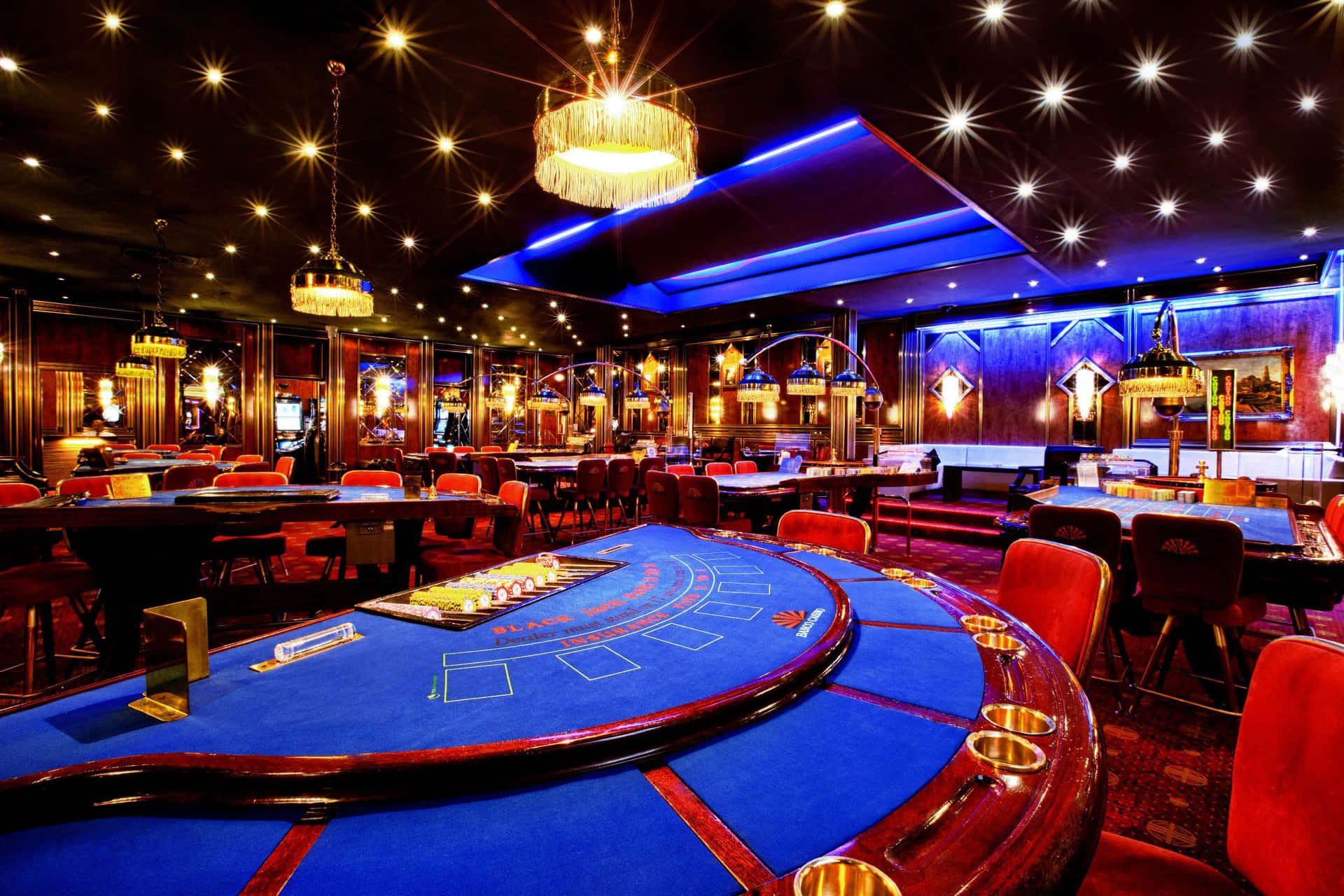
A casino lobby is the central navigation hub you view immediately after logging into an online casino account. It arranges every available game, promotion, and account function into a browsable interface. Think of it as the main floor of a physical casino, where you can see slot banks, table game pits, and the cashier cage all from one vantage point.
How can I locate games with the highest payout percentages?
I look for a filter or sort option labeled RTP or payout percentage inside the game lobby. If the lobby does not include this tool, I review the game information panel by clicking the info icon on a specific slot tile. Many providers list the theoretical return to player in the game rules. High-RTP slots typically range in the 96% to 98% range.
Why are bonus winnings not available for instant withdrawal?
Bonus winnings are almost always subject to wagering requirements that you must fulfill before a withdrawal is approved. The casino lobby should display your remaining playthrough amount in the bonus section of your account. Until you play through the required total, the funds remain locked. Consult the bonus terms for game contributions, because playing restricted games can prolong or void the process.
How does the live casino lobby differ from the main lobby?
Yes, the live casino section functions as a specialized sub-lobby. It presents real-time dealer tables, seat availability, and current betting limits. Unlike the main lobby where games are always available, live tables can be full or closed during dealer breaks. The interface emphasizes live video thumbnails and quick seat selection over static game artwork.
What indicators show a casino lobby is trustworthy?
I confirm the license seal in the footer, ensure the site uses TLS encryption by checking for the padlock icon in the address bar, and assess the responsible gambling tools available in the account settings. A safe lobby will offer deposit limits, session timers, and self-exclusion options directly from the interface, not buried in a separate document you must email support to access.










